Bleeding Gums: When Do You Need a Tooth Crown?
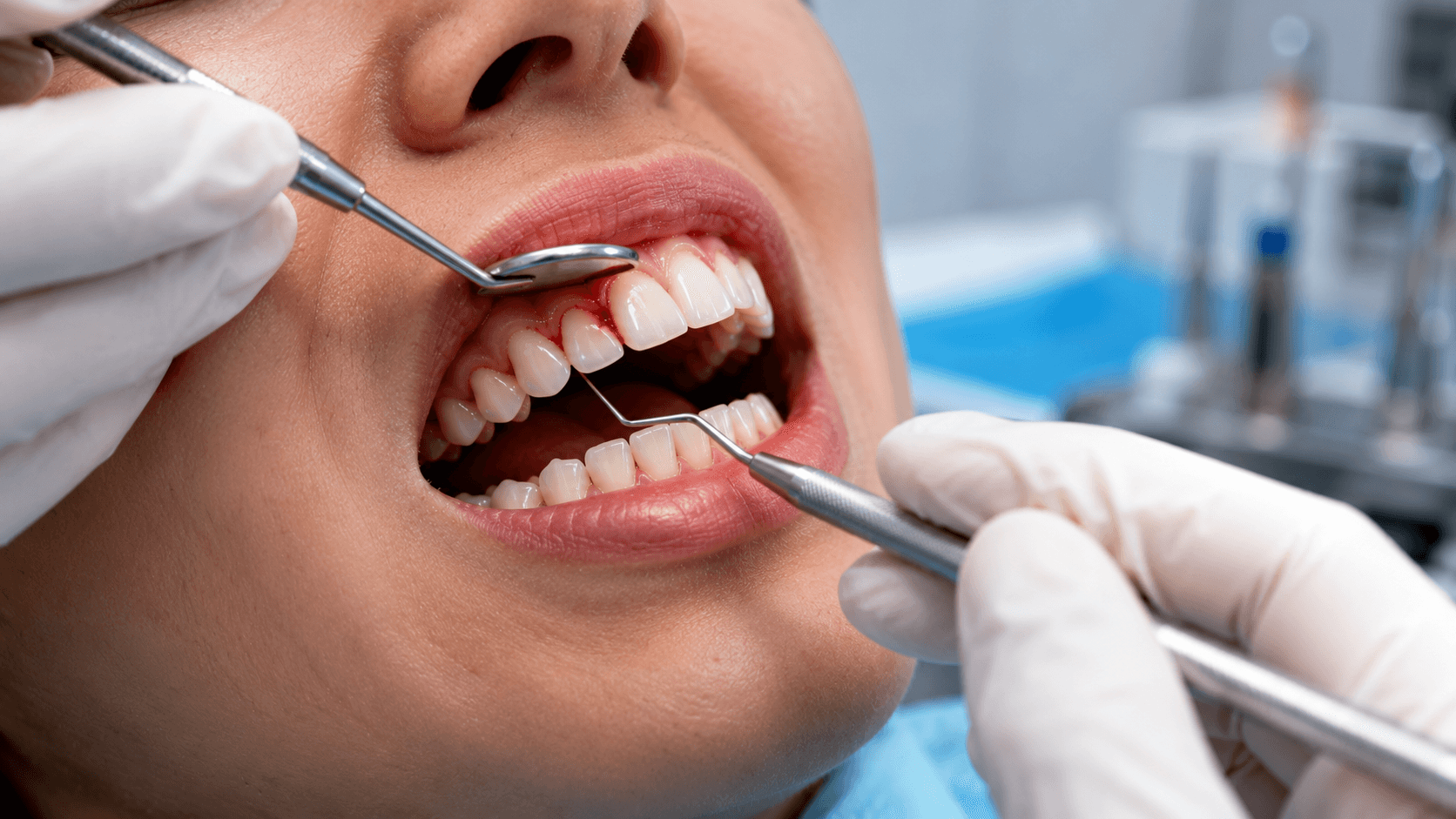
Bleeding gums are a common dental concern that should not be ignored. While occasional bleeding may occur due to aggressive brushing, frequent bleeding can be a sign of gum disease, tooth infection, or damaged teeth.
A tooth crown is a custom-made dental restoration used to protect and strengthen a tooth that is severely damaged, weakened, cracked, or extensively restored. However, bleeding gums alone do not usually mean that you need a dental crown.
What Causes Bleeding Gums?
Common causes include:
Plaque and tartar buildup
Gingivitis or gum disease
Improper brushing or flossing
Tooth decay
Gum infection
Damaged or cracked teeth
Poorly fitting dental restorations
When Is a Tooth Crown Needed?
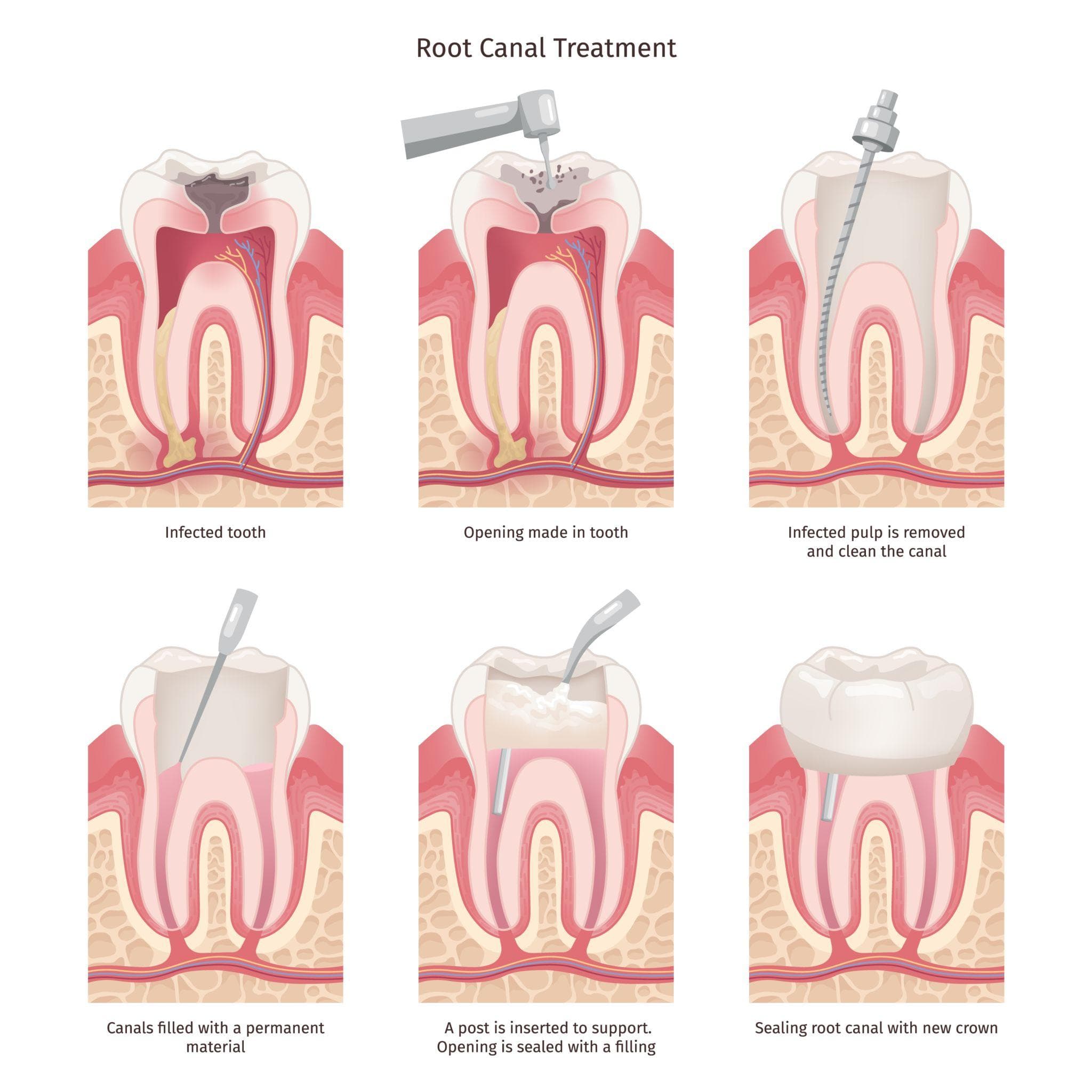
A dental crown may be recommended when a tooth has significant structural damage and cannot be restored adequately with a filling. Crowns can help protect weakened teeth, restore their shape and function, and improve their appearance.
If bleeding gums occur around a damaged or previously treated tooth, a dentist should examine the tooth and surrounding gums to identify the underlying cause before recommending a crown.
Why Early Dental Care Matters
Ignoring persistent bleeding gums can allow gum problems or tooth damage to progress. A professional dental examination can help identify the cause and determine whether you need gum treatment, a dental filling, root canal treatment, or a tooth crown.
Bleeding gums do not automatically mean you need a crown. The right treatment depends on the condition of your tooth and gums. Consult a qualified dentist for an accurate diagnosis and personalized treatment plan.
FAQs
1. Do bleeding gums mean I need a tooth crown?
No. Bleeding gums are more commonly associated with gum inflammation or infection. A crown is recommended when a tooth is significantly damaged or weakened.
2. Can a crown fix bleeding gums?
A crown protects and restores a damaged tooth, but it does not directly treat gum disease. The underlying cause of bleeding must be diagnosed and treated.
3. When should I visit a dentist for bleeding gums?
If your gums bleed frequently, swell, become painful, or bleed without an obvious reason, schedule a dental examination.
4. Can a damaged tooth cause gum bleeding?
Yes. Tooth decay, cracks, infection, or irritation around a damaged tooth may contribute to gum inflammation and bleeding.
Written by