Early Signs of Gum Infection You Should Not Ignore
Gum infections, clinically referred to as gingival infections or early-stage periodontal disease, are often underestimated until they progress into severe oral health complications. At KJS Dental Hospital, we emphasize early diagnosis and preventive care to safeguard your gums and overall dental health.
What is a Gum Infection?
A gum infection typically begins as gingivitis, caused by plaque accumulation along the gum line. If left untreated, it can advance to periodontitis, leading to gum recession, tooth mobility, and even tooth loss.
Early Signs of Gum Infection You Should Not Ignore
1. Bleeding Gums
One of the earliest indicators is bleeding while brushing or flossing. Healthy gums do not bleed easily, so this symptom should never be ignored.
2. Red, Swollen, or Tender Gums
Inflammation is the body’s response to bacterial buildup. If your gums appear reddish or feel sensitive, it could signal infection.
3. Persistent Bad Breath
Chronic bad breath (halitosis) is often caused by bacteria trapped under the gums. It can indicate underlying gum disease.
4. Gum Recession
If your teeth appear longer than usual, your gums may be receding. This exposes tooth roots and increases sensitivity.
5. Pain While Chewing
Discomfort or pain during chewing may indicate deeper infection affecting the supporting structures of your teeth.
6. Pus Between Teeth and Gums
The presence of pus is a clear sign of infection and requires immediate dental attention.
7. Loose Teeth
Advanced gum infection weakens bone support, leading to tooth mobility.
Why Early Treatment is Critical
Ignoring early symptoms can lead to irreversible damage, including bone loss and tooth extraction. Early-stage gum infections are treatable with professional cleaning, improved oral hygiene, and timely dental intervention.
At KJS Dental Hospital, we utilize advanced diagnostic tools and personalized treatment plans to effectively manage and reverse gum disease in its early stages.
Preventive Tips for Healthy Gums
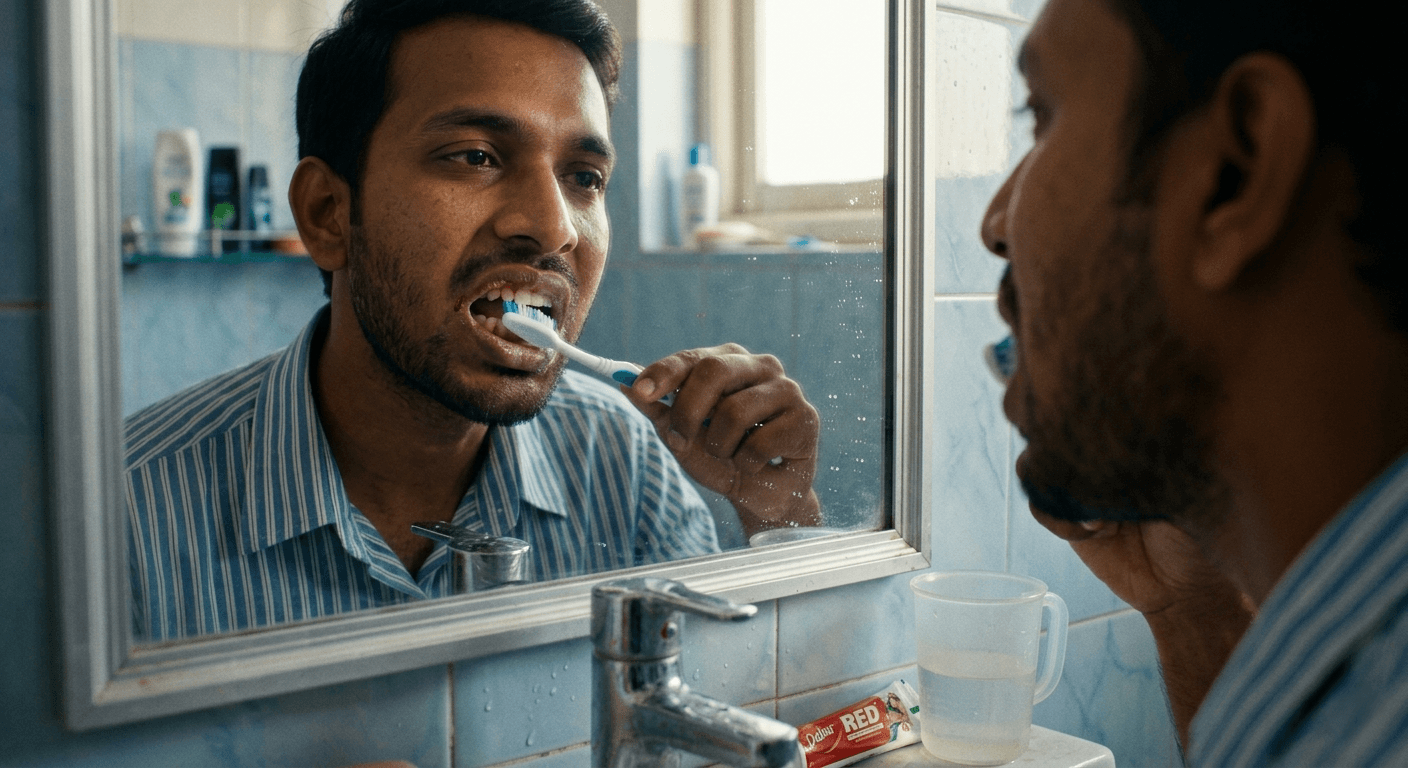
- Brush twice daily using a soft-bristled toothbrush
- Floss regularly to remove interdental plaque
- Use an antibacterial mouthwash
- Schedule routine dental check-ups every 6 months
- Avoid tobacco products
When to Visit KJS Dental Hospital
If you notice any of the above symptoms, do not delay. Early consultation can prevent long-term complications and ensure a healthy smile.
Written by