How Diet Impacts Your Oral Health
Maintaining good oral health is not just about brushing, flossing, or visiting the dentist regularly. Your diet plays a crucial role in protecting your teeth and gums. At KJS Dental Hospital, we believe that understanding how food affects your mouth can help prevent dental problems and support a healthier, brighter smile.
The Link Between Nutrition and Oral Health
Your mouth is the first point of contact for everything you eat and drink. This means that your dietary choices directly influence the condition of your teeth and gums. A diet rich in vitamins, minerals, and low in harmful sugar helps strengthen tooth enamel, support gum tissue, and reduce the risk of oral diseases.
Foods That Can Harm Your Teeth
Certain foods and beverages may taste delicious but can negatively affect oral health when consumed regularly. Some examples include:
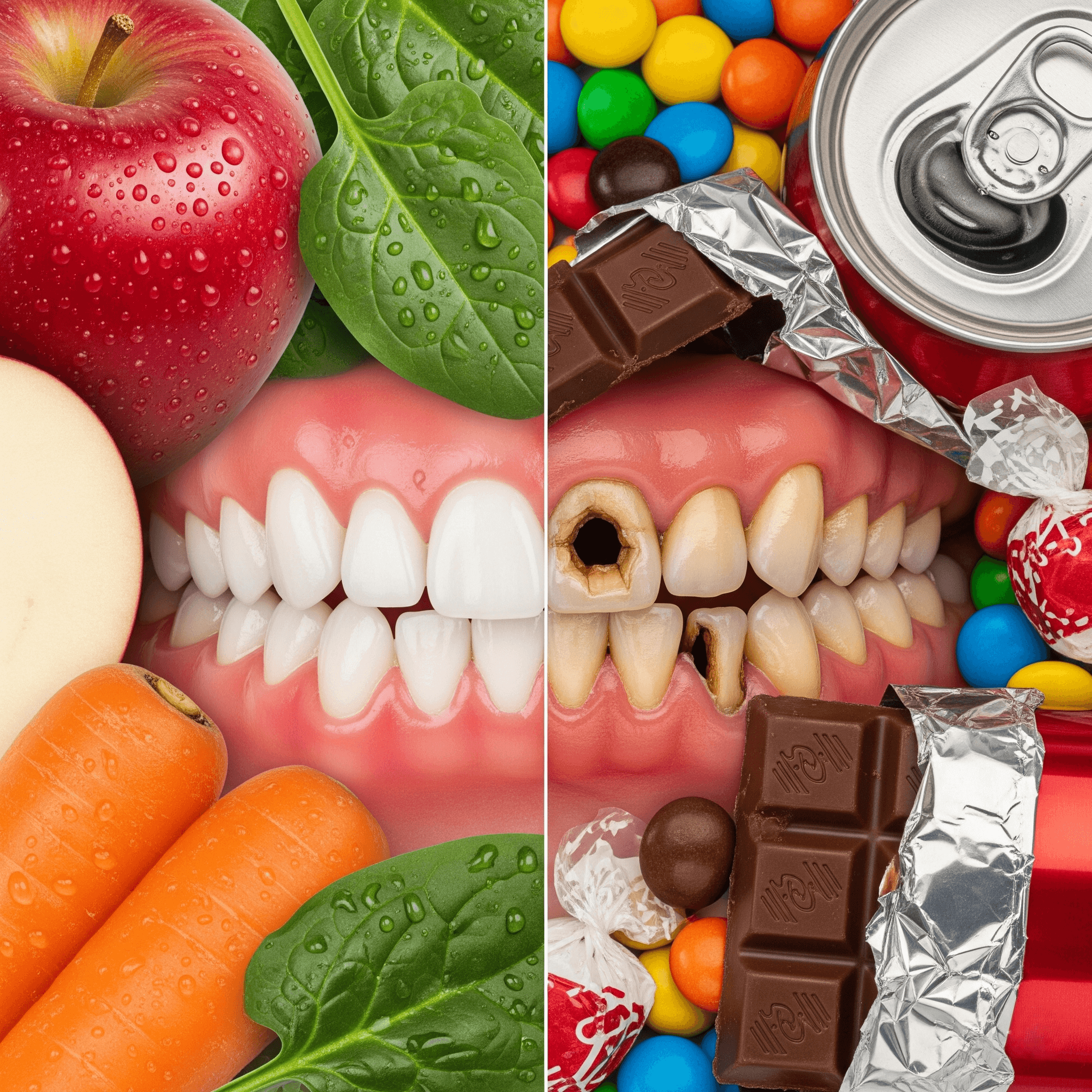
- Sugary Snacks and Drinks: Sweets, soft drinks, chocolates, and packaged snacks can lead to plaque buildup. When sugar interacts with bacteria in the mouth, it produces acid that erodes tooth enamel.
- Sticky or Chewy Foods: Items like caramel, jaggery, and dried fruits tend to cling to teeth, making them difficult to clean and increasing the risk of cavities.
- Acidic Foods and Beverages: Citrus fruits, sodas, and pickles contain high acidity which can weaken enamel over time.
Foods That Support Strong Teeth and Gums
A balanced diet can promote better oral hygiene and overall dental health. Some beneficial food choices include:
- Calcium-Rich Foods: Milk, curd, paneer, almonds, and leafy greens help strengthen teeth and bones.
- Crunchy Fruits and Vegetables: Apples, carrots, and cucumbers act like natural cleansers by stimulating saliva and removing soft plaque.
- Water: Drinking plenty of water helps wash away food particles and maintain saliva flow, which protects enamel against acid.
The Role of Vitamins and Minerals
Key nutrients support a stronger oral environment. Vitamins such as Vitamin C help maintain strong gums and prevent gum disease, while Vitamin D helps the body absorb calcium, ensuring proper tooth formation and strength.
How Eating Habits Affect Your Smile
Beyond what you eat, how often you eat matters. Frequent snacking exposes your teeth to continuous acid attacks. Limiting snacks and eating at scheduled meal times can protect enamel and reduce the chances of cavities.
Professional Guidance and Preventive Care
While healthy dietary habits help maintain dental health, it is equally important to schedule regular dental check-ups. At KJS Dental Hospital, our dental experts provide personalized guidance to help you create lifestyle and diet plans that support long-term oral health.
Diet and oral health are closely connected. Making thoughtful food choices and practicing good dental hygiene can significantly reduce the risk of decay, gum disease, and other oral issues. With expert care and proper nutrition, maintaining a healthy smile becomes easier and more effective.
At KJS Dental Hospital, we are committed to educating and guiding you to achieve strong, healthy, and confident teeth for a lifetime.
Written by